
LLM content is quickly becoming the new “SEO-optimised content” in terms of reputation, quality expectations, and its ability to drive performance. And I completely understand the hesitation. Is this just another trend everyone’s expected to jump on? Do we really need to overhaul every PDP on our sites for an LLM that’s still evolving, and experts (including SEO’s) don’t fully understand yet?
But what if the goal wasn’t to optimise for AI, search engines, or customers… but for all three at once? That’s a direction worth taking.
As subscribers, you’re likely already familiar with our S.E.E.D. framework, which we recently launched here at NOVOS. Below are examples of content designed to serve customers, search engines, and LLMs, while staying firmly grounded in the E’s of our S.E.E.D framework - expert-led content and enriched product data.
Expert-Led Content
Digital and Brand PR are more important than ever in meeting the fundamentals of AI-driven search. The old saying “there’s no such thing as bad press” no longer holds true. Unlike traditional Google search, which didn’t evaluate sentiment or the nuances of linked coverage, AI systems can interpret, understand, and summarise it.
Ask ChatGPT “tell me about X brand,” and you’ll often see a list of pros and cons, summaries of Trustpilot or Google reviews, and even sentiment drawn from user forums like Reddit or Mumsnet - though this behaviour is predicted to (hopefully) move on.
To lay the groundwork for your AI content strategy, you need to know what LLMs already know about your brand and products.
Research Your Own Brand
“Is X brand good quality?”
“Tell me about X brand”
“Is X or X brand better for [enter buying persona characteristics]”
“Who are the best brands for [x product]”
By doing so, you will gain a better understanding of what your baseline brand perception is and the areas that need addressing.
Enriched Product Data
It’s no secret that LLMs are now favouring product pages (PDPs) over the category and homepage. Google is acting more like a PLP experience now. The Google search results are now the category page, and all the results are the best-suited product pages from brands.
This means that we are skipping a whole step of the historical user journey of homepage > category page > product page, and instead, we go straight to PDPs. So, PDPs have to do a lot more heavy lifting than they did previously.
Now, PDPs are responsible for getting your brands’ USPs, product information and brand values across to the customer. We can’t rely on the traditional user journey of the homepage > category page > product page to educate our customers anymore.
When writing your product page copy, consider the following data points:
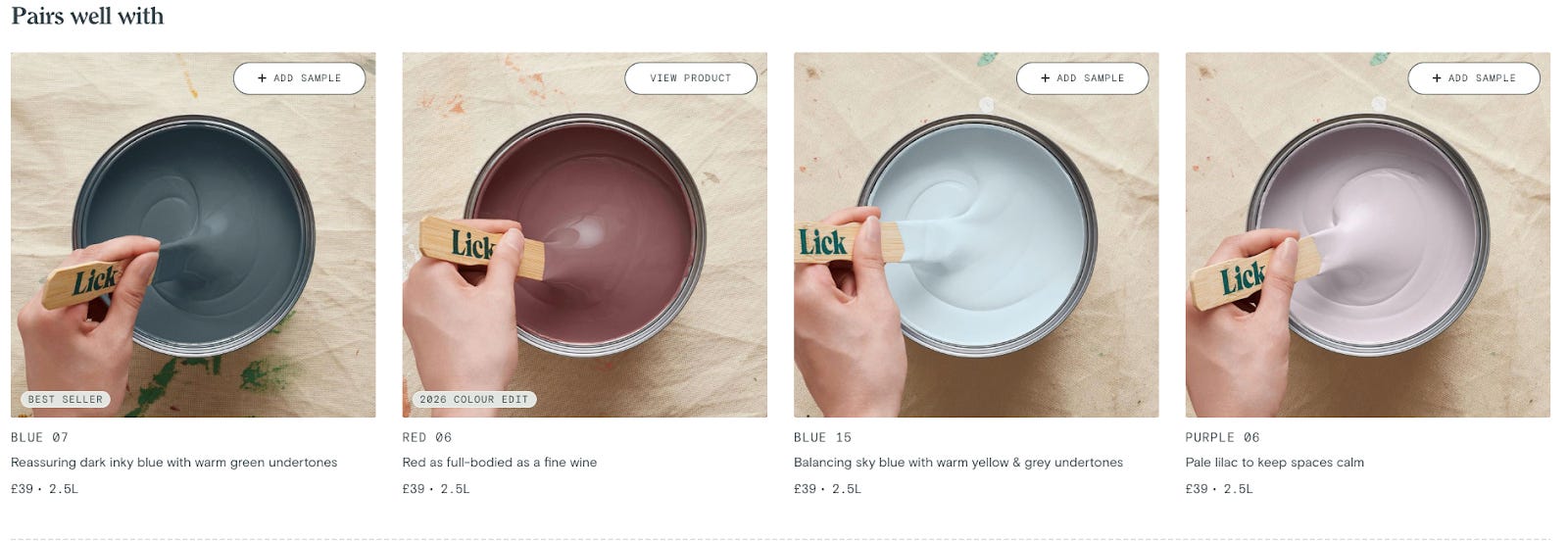
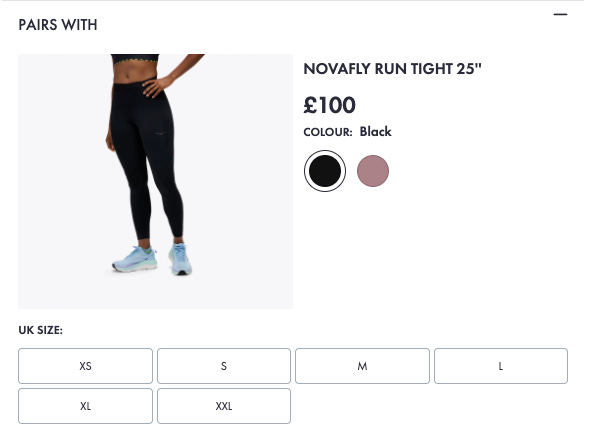
What does your product ‘pair well with’
This is mainly applicable for food/drink and clothing products, but it’s a great way of subtly cross-selling whilst also showing your expertise.
E.g. does this ready-to-drink cocktail go well with a charcuterie board or a steak dinner?
Do these brown suede boots pair well with a midi dress or a leather skirt?
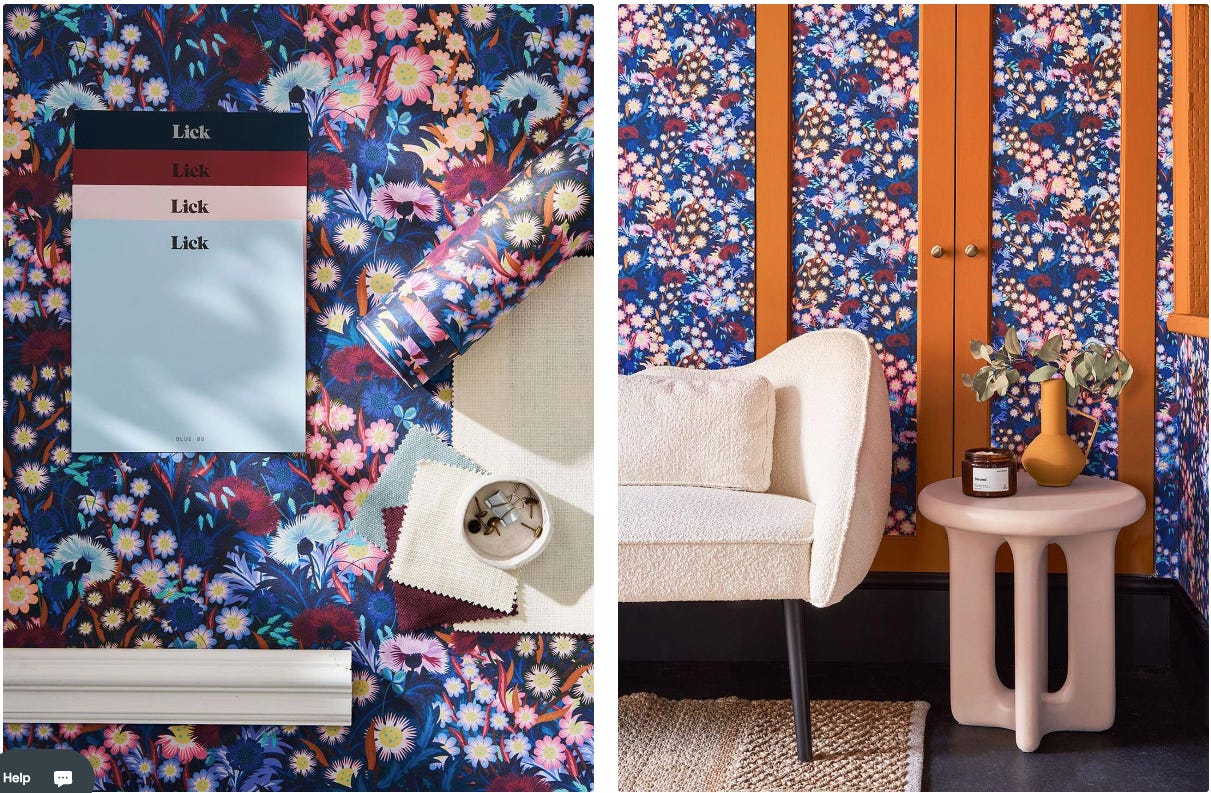
Below are some of my favourite examples from Lick and Hoka.
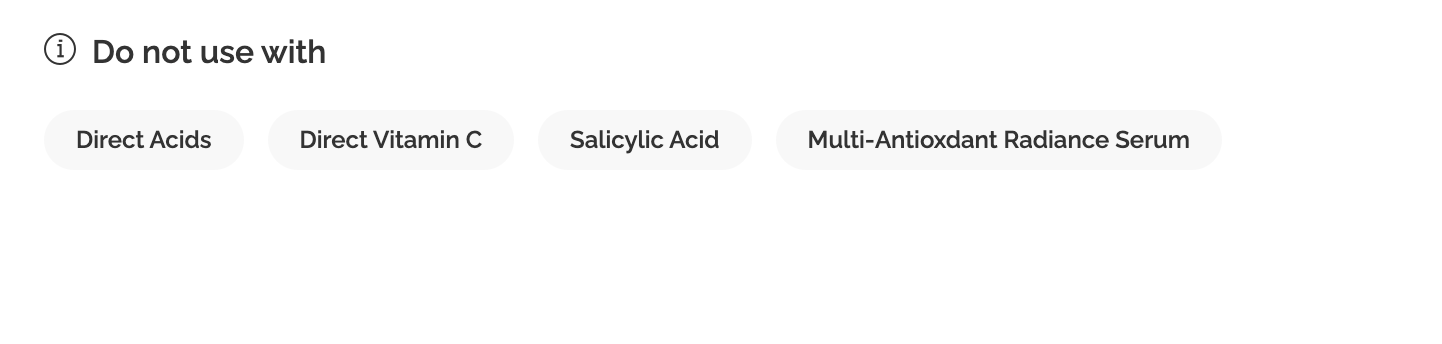
The Ordinary: They’ve gone above and beyond by adding a “do not use with” section on their PDPs, flipping the “best paired with” recommendations on their head.
What is your product designer or best for?
If this is an item of footwear, is it a comfortable shoe for both commuting and everyday, or is it better suited to going out?
Is it a dark colour that would work better in a bright room?
Is it a bigger model that would require a bigger room?
Is it suited to a high-traffic area?
Can it be put in the washing machine?
Once again, Lick and Hoka perform strongly in these content areas.

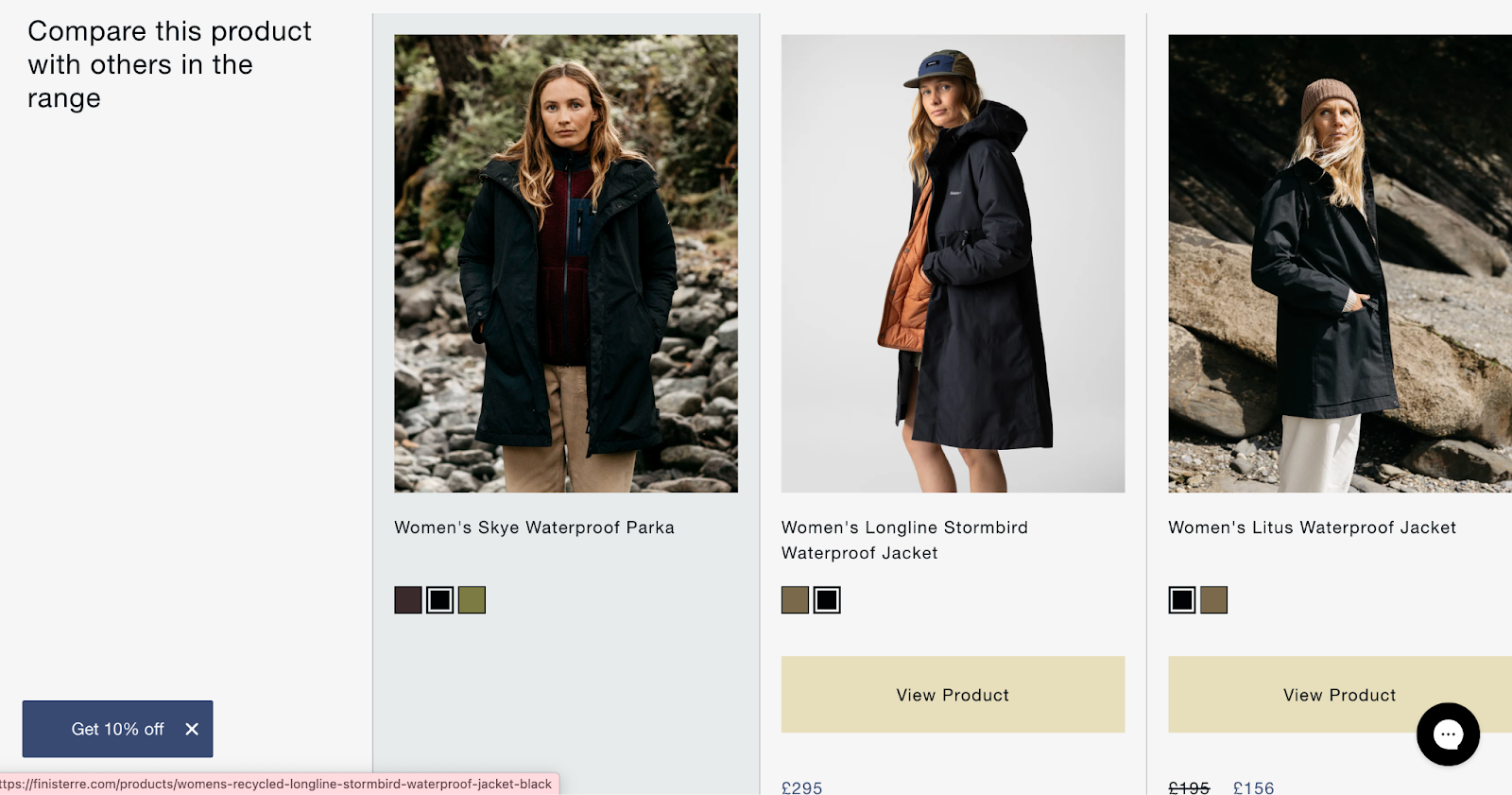
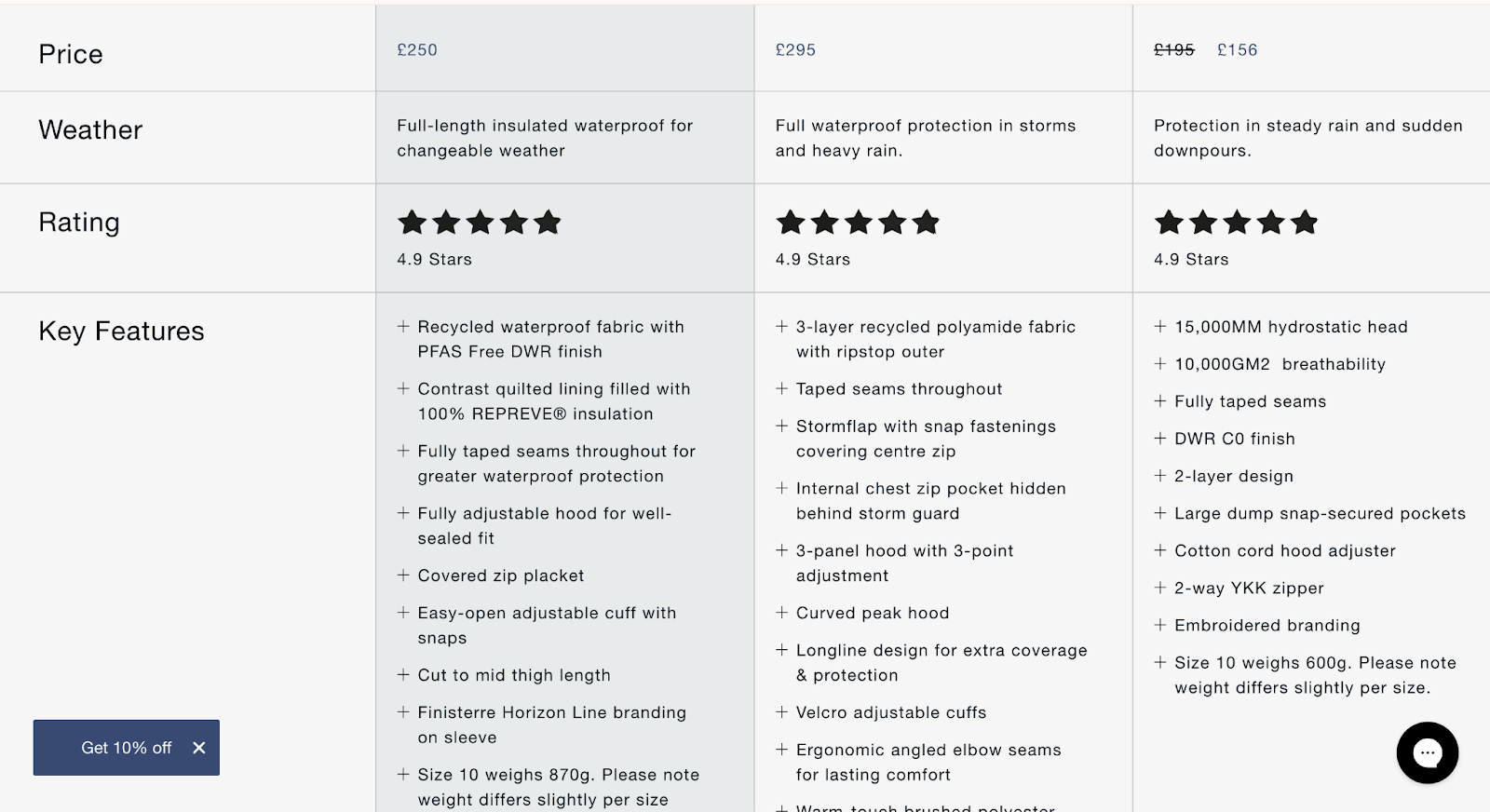
Finsiterre have taken this one step further and done intra-product comparisons to educate users, Google and LLMs on which product is best for what.
What are the material/texture options?
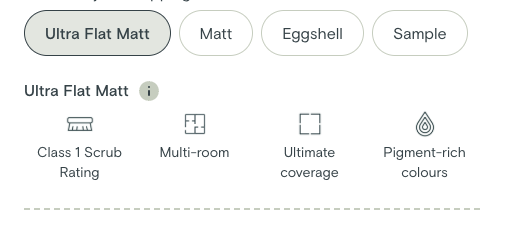
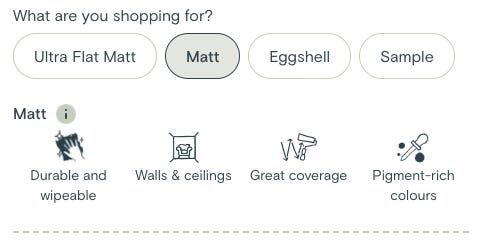
Are each of these fabrics better suited to different models?
Do each of these fabrics have qualities that are preferable to different buyer personas, e.g. a smart velvet sofa is better for consumers with pets, whereas the X model has a firmer back to it so is better for people with back issues, etc.
Lick, again, has nailed this on their PDPs.
How can you educate them on quality check guidelines?
What reassurances and quality check services do you consider in the process?
I like the example below from ASICS, which summarises their customer reviews so that you can get an overall perception of the product quality and comfort.
Clearly displaying warranties is another easy way to do so.

Provide information on durability
What is the likely lifetime value of this product
Can it withstand high traffic areas?
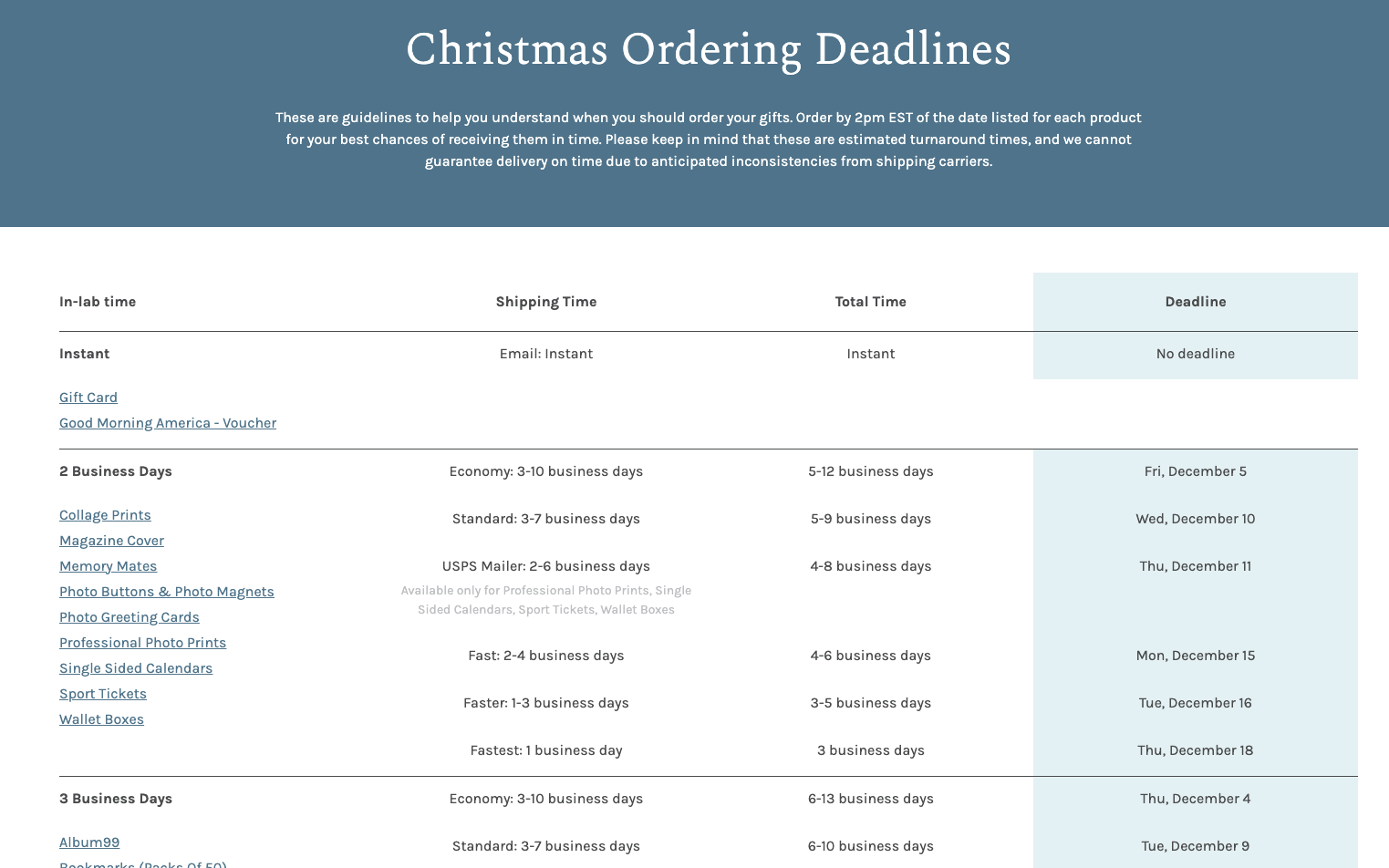
Product turnaround time
This is particularly important around gifting seasons like Christmas and Mother’s/Father’s Day, as you want to manage expectations for last-minute gift buyers.
Below you can find a really detailed example from Nations Photo Lab.
Size comparisons and education
Mention that it is inches, not centimetres (for LLMs) and provide a conversion.
Mention if this is considered a standard /small/medium/large size (if/where appropriate).
If it is an object, like a poster or item of furniture, a graphic showing the product next to an everyday item can be really helpful for users.
Below is an example from Etsy, guiding users on intra-product size comparisons:
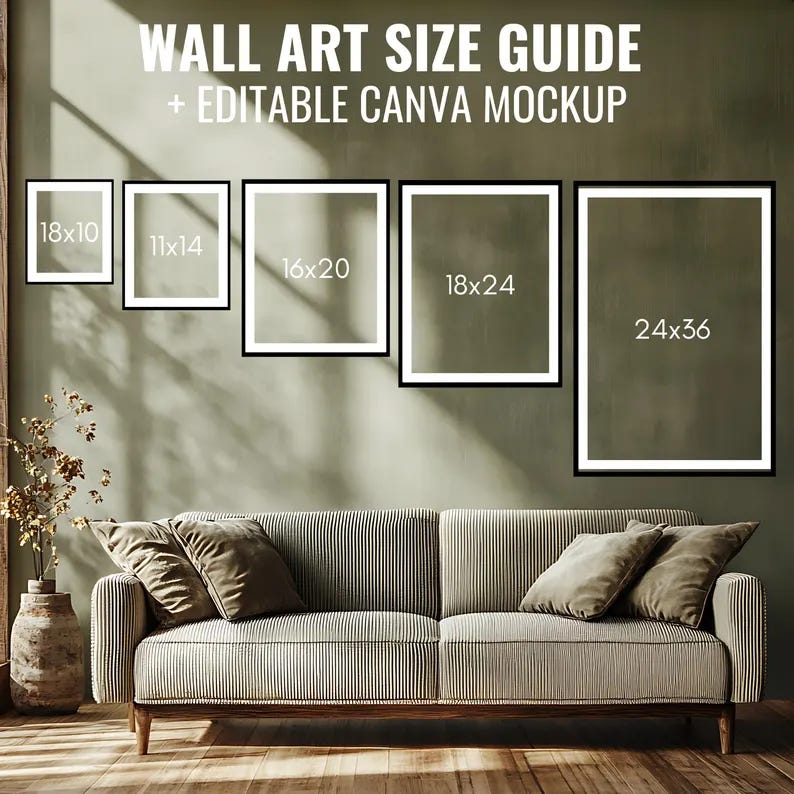
E.g. a photo print next to an iPhone, or a rug beneath a standard two-seater sofa.
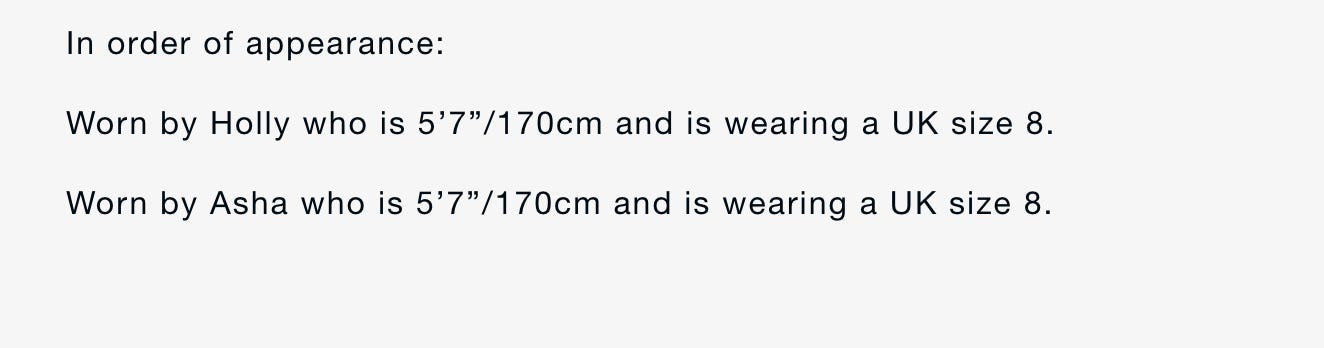
Below is an example from Finisterre on how you can explain the model sizes.
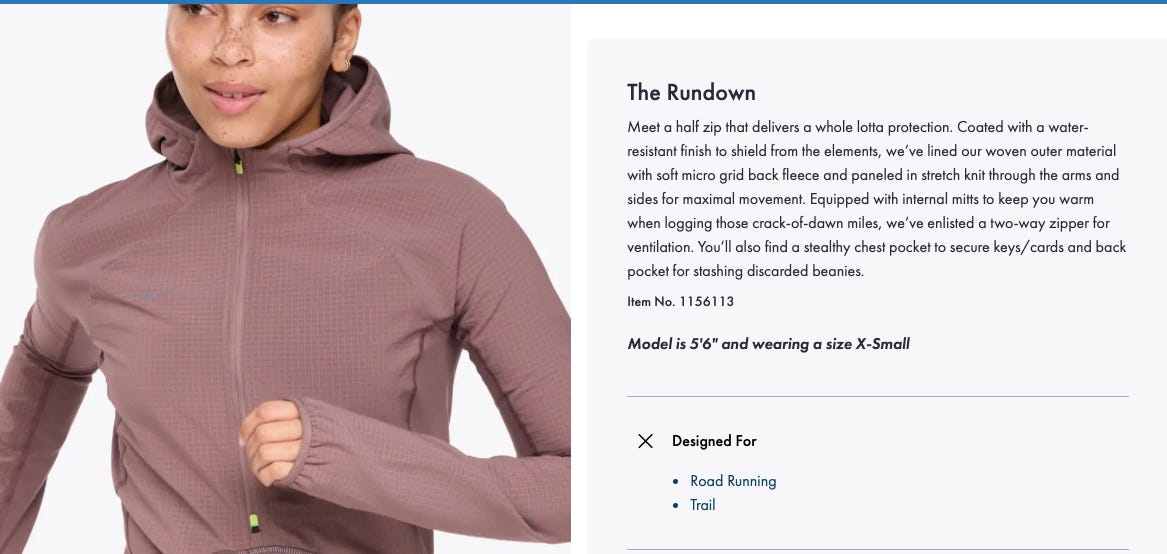
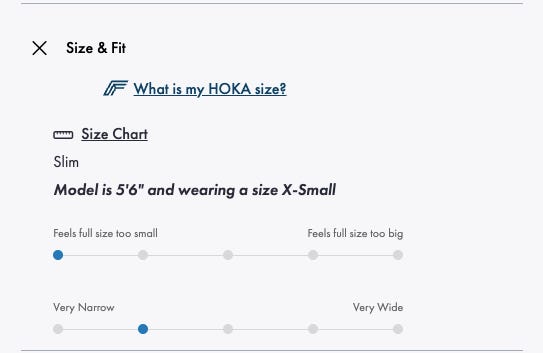
Transparent size comparisons from Hoka: these are great assets for customers as well as for providing information to LLMs to answer queries like “Do Hoka running half zips come up small? I’m a size X, and X feet tall and don’t know which size to buy.”
To Summarise
Being cited in articles, listicles and trade features is more important than ever. These mentions significantly boost your visibility in LLMs and have become a crucial brand channel.
Your product detail pages (PDPs), meanwhile, are what actually teach LLMs about your products. Queries in LLMs tend to be 1.5–2× longer than Google searches, and you can’t rely on a single marketing persona anymore. To reach a wider audience, you need to clearly communicate your products’ key features, from ideal pairings and sizing to standout benefits, so both Google and LLMs can accurately understand and surface your offering.
Yes, this can feel like a lot to fit onto one product page, but there are smart, non-cluttered ways to do it.
And remember: human attention spans are shrinking, and the average online reading age in the UK is just 9–11 years old. Keep your content short, snappy and visual, and above all, make it educational.
Finally, if you missed our previous post, everything we’ve mentioned in this post could actually be helping your Google ad targeting in 2026.